Gyumri Travel Guide – Things to Do, Where to Stay & How to Get There
Upcoming Events in Gyumri
- Festivar Gyumri
Free outdoor concert at Vardanants Square in Gyumri by RA Honored Artist Tata Simonyan, accompanied by a fair of local artisan products.
Contents
- Overview of Gyumri
- How to Get to Gyumri
- Where to Stay in Gyumri
- Top Things to Do in Gyumri
- 1. Stroll through Kumayri and Historic Streets
- 2. Visit the Main Churches and Monuments
- 3. Explore Central Park and City Views
- 4. Discover Museums and Galleries
- 5. Shop at Local Markets and Artisan Shops
- 6. Enjoy Local Food and Café Culture
- Practical Tips for Visiting Gyumri
- Planning Your Trip
Gyumri, Armenia’s second-largest city, sits in the north-western part of the country and has a reputation for strong character, creative spirit, and black-tuff-stone streets. The city is often called Armenia’s cultural capital, known for its distinctive architecture, museums, theatre, and artisan workshops. This guide covers how to get to Gyumri, its top sights, where to stay, and how it fits into a wider Armenia itinerary.
Overview of Gyumri
Gyumri (formerly Leninakan) is the capital of Shirak Province and has a long history as a trading and cultural hub. The city’s architecture is defined by black-tuff buildings built after the 19th-century earthquake, giving it a moody, dramatic look different from the pink-tuff domes of Yerevan. Gyumri is also famous for its humour-loving, arts-minded residents and a strong folk-music and café-culture scene.
For tourists, Gyumri is ideal if you:
- Want to see authentic Armenian city life away from the capital
- Are interested in architecture, museums, and local crafts
- Want to combine city exploring with quick visits to nearby monasteries and rural areas
The city is far from the main tourist belt, so you’ll encounter fewer crowds and often more direct interaction with locals.
How to Get to Gyumri
Gyumri is about 120–130 km from Yerevan, around 2–2.5 hours by road, depending on traffic and weather in the highlands.
- From Yerevan by car – The most direct route runs via the M1/M3 highways, passing through towns like Aparan. The road is generally good, though winter snow can slow travel.
- From Yerevan by bus or marshrutka – Regular buses and minibuses depart from Yerevan’s main bus terminals to Gyumri’s central bus station. Tickets are inexpensive, and services run daily, often multiple times per day.
- From Tbilisi (Georgia) – Gyumri is also reachable from Tbilisi via the main highway. Some cross-border buses and private transfers connect the two countries, making Gyumri a good stop on a Tbilisi–Yerevan loop.
For visitors based in Yerevan, Gyumri is usually visited as a day trip or 2-night stop, often with a detour to nearby fortresses or monasteries.
Where to Stay in Gyumri
Gyumri has a smaller but diverse range of accommodation, from family-run guesthouses to Soviet-era hotels and creative boutique stays.
- Kumayri / city-centre guesthouses – Staying in or near the Kumayri historic district puts you within walking distance of the main streets, museums, and cafés. Ideal if you want to explore the city on foot and soak up the local vibe.
- Central-area hotels – Larger hotels and Soviet-style buildings in the city centre often offer basic but comfortable rooms, sometimes with views over the squares and streets.
- Quiet residential areas – Some newer guesthouses and B&Bs sit in quieter neighbourhoods slightly outside the core, offering a calmer atmosphere and local hospitality.
Because Gyumri isn’t as touristic as Yerevan, it’s worth contacting places in advance to confirm availability and check whether they include breakfast or local-style meals.
Top Things to Do in Gyumri
1. Stroll through Kumayri and Historic Streets
The Kumayri historic district is the heart of old Gyumri, laid out on a grid of narrow streets lined with black-tuff houses and courtyards. Walking through this area feels like stepping back in time, with:
- Restored and partially restored houses turned into cafés, galleries, and museums
- Small courtyards and hidden passages that reveal traditional architecture up close
- Artisan workshops where you can watch local craftspeople at work
Even a short walk here gives a strong sense of Gyumri’s character and history.
2. Visit the Main Churches and Monuments
Gyumri is dotted with striking churches and monuments:
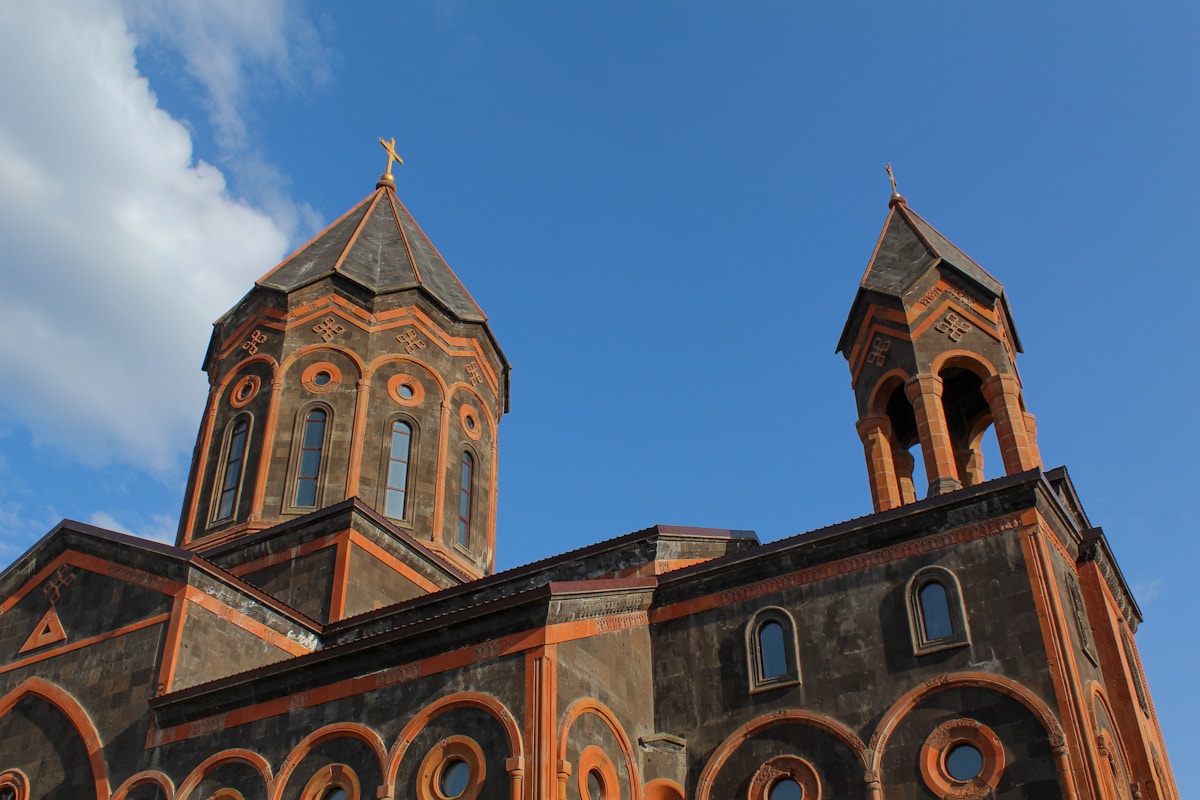
- All Saviours Church (Amenaprkich) – One of the most photographed churches in the city, with a dramatic black-and-orange façade and a distinctive dome. Despite damage from the 1988 earthquake, it remains a powerful presence in the city skyline.
- Cathedral of the Holy Mother of God – A major cathedral in the city centre, visible from several squares.
- Statues and street monuments – The city’s parks and squares are filled with sculptures of local poets, writers, and historical figures.
These sights are usually easy to visit on foot, and many can be combined with a café break in the nearby streets.
3. Explore Central Park and City Views
Gyumri Central Park is a green space in the middle of the city, ideal for a relaxed walk and people-watching. From the park you can get views of the Mother Armenia monument and several Soviet-era sculptures that add to the unique atmosphere.
4. Discover Museums and Galleries
Gyumri has several museums and galleries that showcase Armenian and local culture:
- Museum of National Architecture and Urban Life – Focuses on Gyumri’s architectural heritage and the lives of its residents.
- Hovhannes Shiraz House-Museum – A museum house dedicated to one of Armenia’s most famous poets, with personal belongings and manuscripts on display.
- Galleries and private collections – Smaller art spaces and collector-run galleries often feature local paintings, ceramics, and handicrafts.
If you like cultural and museum-style travel, dedicate at least half a day to visiting a few of these venues.
5. Shop at Local Markets and Artisan Shops
Gyumri’s markets and artisan shops provide a taste of local life:
- Shuka Market – A central market where you can buy fresh produce, dairy, and local snacks. It’s also a good place to see how locals shop and interact.
- Workshops and craft stores – Jewellery-making, woodworking, and textile workshops are common in the Kumayri district. You can often watch artisans at work and buy original pieces directly from the makers.
6. Enjoy Local Food and Café Culture
Gyumri has a growing number of restaurants and cafés serving traditional and modern Armenian food. Typical dishes include:
- Khorovats and grilled meats
- Dolma and stuffed vegetables
- Local bread and cheese
- Home-style soups and stews
There are also cafés in the Kumayri district where you can sit in restored courtyards, enjoy coffee or local desserts, and watch the city life pass by.
Practical Tips for Visiting Gyumri
- Best time to visit – Spring and autumn are the most pleasant, with mild temperatures and fewer extremes. Winters are cold and snowy, which can be charming but may limit some transport options.
- Language – Armenian and Russian are widely spoken; English is less common but can be found in some hotels and cultural venues. A few basic phrases in Armenian or Russian go a long way.
- Weather and clothing – Gyumri sits at a high elevation and can be windy and chilly even in summer. Pack a jacket and layers, and be ready for quick changes in temperature.
- Safety – Gyumri is generally safe for tourists. As with any city, stay aware of your surroundings at night and keep valuables secure.
- Tipping – Tipping 10–15% in restaurants and cafés is common and appreciated, especially in mid-range and higher-end places.
Planning Your Trip
Gyumri works well as a standalone day trip from Yerevan or as a stop on a north Armenia loop. Many visitors pair it with Dilijan for a two-day northern circuit.
Book an experience
Guided tours & experiences here
Done reading? These guided tours are the best way to experience this destination properly — all with instant confirmation.